
Color has long been recognized as a powerful element that influences our perceptions, emotions, and well-being. The practice of healing with colors, also known as color therapy or chromotherapy, taps into the innate qualities of different hues to promote healing and restore balance. This essay delves into the concept of healing with colors, exploring its origins, principles, potential benefits, and current applications.
Origins and Principles: The use of color for therapeutic purposes can be traced back thousands of years to ancient civilizations such as the Egyptians, Greeks, and Chinese. These cultures recognized the connection between colors and human experiences, incorporating them into their healing practices. In modern times, color therapy has gained popularity as an alternative and complementary approach to wellness.
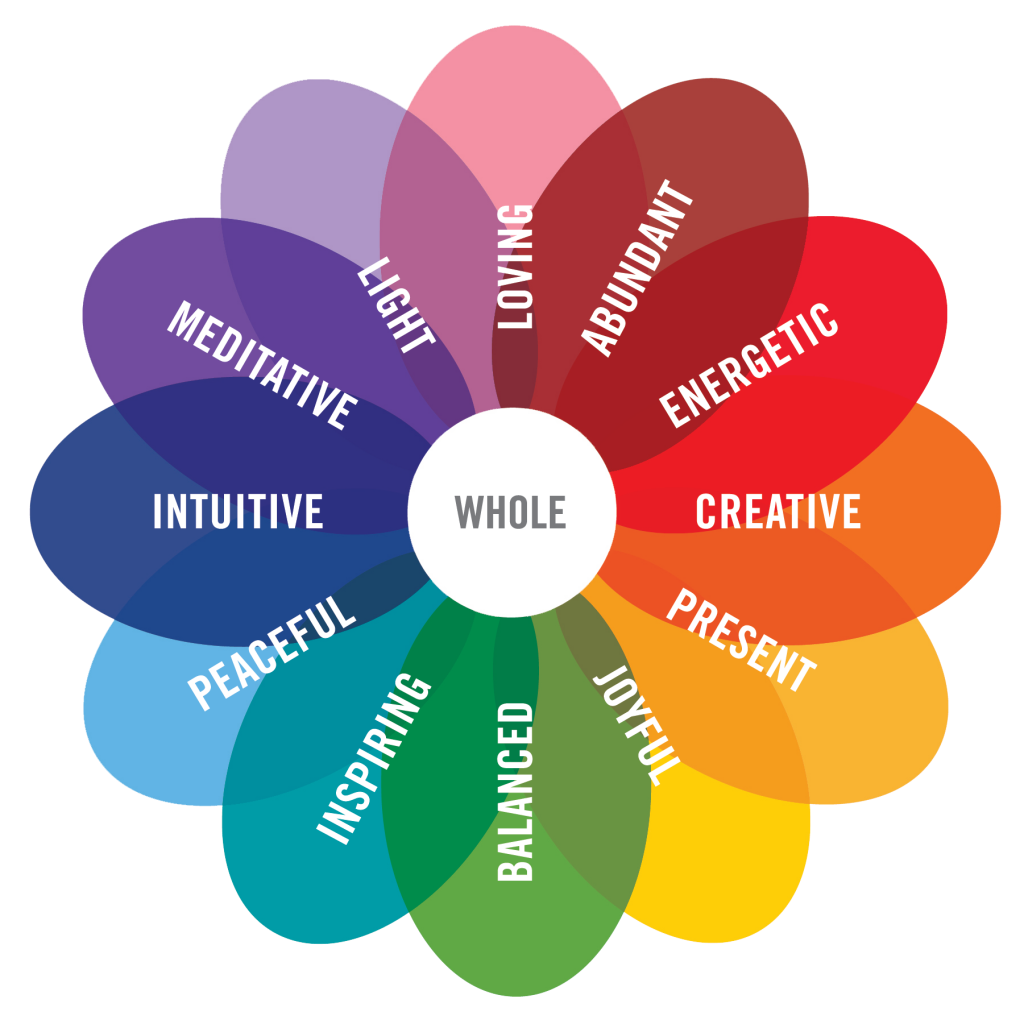
Color therapy operates on the principle that each color possesses unique energetic properties that can influence our physical, emotional, and spiritual states. Colors are believed to interact with our body’s energy centers, or chakras, and affect the flow of energy throughout our system. By harnessing the power of specific colors, practitioners aim to restore balance and promote healing.
Color Associations and Effects: Different colors are associated with specific qualities and are believed to evoke certain emotional and physiological responses. While interpretations may vary, some common associations include:
- Red: Associated with vitality, energy, and stimulation. It is believed to promote passion, courage, and increased circulation.
- Blue: Often linked to calmness, tranquility, and communication. Blue is thought to have a soothing effect, reducing stress and promoting relaxation.
- Yellow: Associated with optimism, creativity, and mental clarity. Yellow is believed to enhance focus, uplift mood, and stimulate the nervous system.
- Green: Known for its association with nature, balance, and harmony. Green is believed to promote healing, rejuvenation, and a sense of well-being.
- Violet: Often associated with spirituality, intuition, and inspiration. Violet is believed to enhance meditation, promote spiritual growth, and stimulate the imagination.
Applications and Techniques: Color therapy can be applied in various ways, depending on the individual’s needs and preferences. Some common techniques include:
- Visualizations: Practitioners guide individuals through visualizations, where they imagine surrounding themselves with a specific color or envisioning the color penetrating their body and promoting healing.
- Color Baths: Immersing oneself in colored water or bathing in colored light is thought to facilitate absorption of the color’s energy and promote overall well-being.
- Colorful Environment: Creating a harmonious environment by incorporating specific colors in home decor, clothing choices, and workspaces is believed to support emotional balance and enhance productivity.
- Light Therapy: Exposure to specific colored lights or using color-filtered glasses can be utilized to stimulate or balance energy centers in the body.
Scientific Evidence and Considerations: While anecdotal evidence suggests that color therapy can have positive effects on well-being, it is important to note that scientific research in this field is limited. The subjective nature of color perception and individual responses to colors make it challenging to establish universally applicable conclusions.
Color therapy should be approached as a complementary practice rather than a substitute for conventional medical care. It is advisable to consult with qualified practitioners and integrate color therapy into a comprehensive wellness plan that includes evidence-based treatments.
Conclusion: Healing with colors, as practiced through color therapy, offers a fascinating perspective on the potential benefits of colors in promoting holistic well-being. Although more scientific research is needed to validate its efficacy, the profound impact of colors on our mood, emotions, and energy cannot be denied. Exploring color therapy with an open mind can deepen our understanding of the interplay between colors and healing, providing an additional tool to support our overall wellness journey.




 Love
Love Astrologer
 Dreams
 Life Coach
 Medium
 Numerologist
 Palm Reader
 Paranormal
 Past Life
 Tarot Reader