

Face reading, also known as physiognomy, is the practice of interpreting a person’s character or personality traits based on their physical appearance, particularly their facial features. This practice has been used for centuries in various cultures, including Chinese, Indian, and Greek cultures, and is still used today in some forms of divination and self-improvement.
One of the key principles of face reading is that the face is believed to be a reflection of the soul, and that the different features of the face correspond to different aspects of a person’s character. The forehead, for example, is said to represent a person’s intellect and wisdom, while the eyes are said to represent a person’s emotions and inner vision.
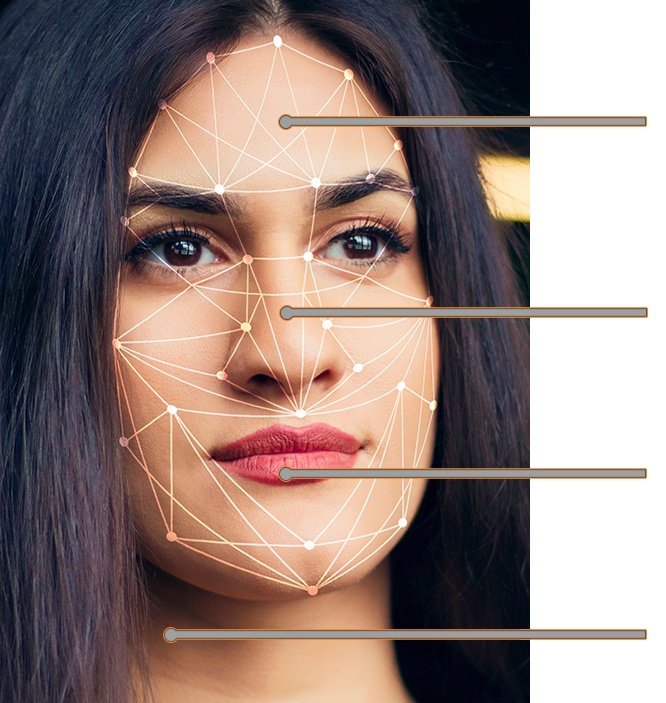
Another key principle of face reading is that the size, shape, and position of various facial features can provide insight into a person’s strengths and weaknesses. A wide forehead, for example, is often considered to be a sign of intelligence and wisdom, while a narrow forehead may indicate a lack of these qualities. Similarly, the shape of the eyes, nose, and mouth can also provide insight into a person’s character and personality.
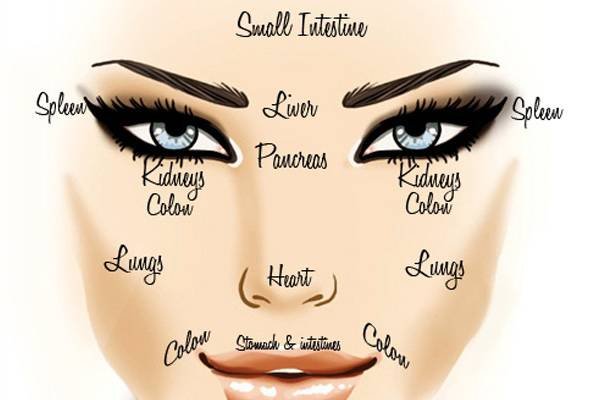
There are many different methods of face reading, each of which has its own set of principles and interpretations. Chinese face reading, for example, is based on the principles of Chinese medicine and focuses on the balance of yin and yang energy in the face. Indian face reading, on the other hand, is based on the principles of Ayurveda and focuses on the balance of the three doshas (vata, pitta, and kapha) in the face.
Despite the popularity of face reading, it is important to note that it is not an exact science and should not be used as the sole means of determining a person’s character or potential. Face reading should be used as a tool for self-reflection and self-improvement rather than as a way to judge or label others.
In conclusion, face reading is a practice that involves interpreting a person’s character or personality traits based on their physical appearance, particularly their facial features. It has been used for centuries in various cultures and is still used today in some forms of divination and self-improvement. While face reading can provide insight into a person’s strengths and weaknesses, it should not be used as the sole means of determining a person’s character or potential. Instead, it should be used as a tool for self-reflection and self-improvement




 Love
Love Astrologer
 Dreams
 Life Coach
 Medium
 Numerologist
 Palm Reader
 Paranormal
 Past Life
 Tarot Reader