
Shamanism is an ancient spiritual practice that has been present in various forms in different cultures across the world for thousands of years. It involves the use of rituals and ceremonies to enter into a trance-like state, known as shamanic trance, to communicate with the spirit world and bring back information and guidance to the physical world. Shamans are the practitioners of this spiritual tradition who serve as healers, diviners, and mediators between the physical and spiritual realms.
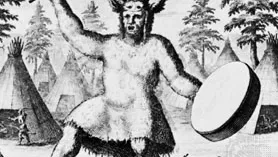
The origins of shamanism are difficult to trace, but it is believed to have arisen independently in different cultures as a way for early humans to understand and interact with the world around them. In traditional societies, shamanism was often deeply interwoven with the cultural and religious beliefs of the people, and shamans were seen as important members of the community who were trusted to bring balance and harmony to both the physical and spiritual realms.
One of the key elements of shamanism is the concept of the spirit world, which is believed to be inhabited by a variety of powerful and sometimes dangerous spirits. Shamans enter into a shamanic trance to communicate with these spirits and bring back information, guidance, and healing to their community. They use a variety of techniques to achieve this, including drumming, singing, dancing, and the use of psychoactive plants such as ayahuasca.
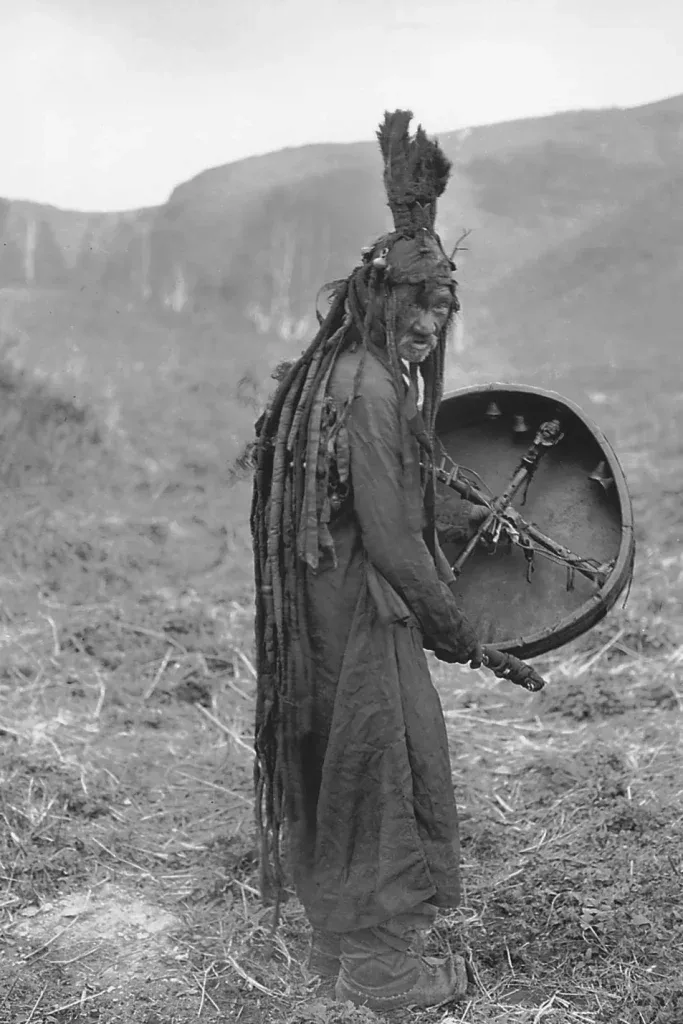
In traditional societies, shamanism was used to address a wide range of issues, including physical and mental illness, spiritual problems, and social conflict. Shamans were seen as healers who could diagnose and treat a variety of physical and emotional issues by accessing the spirit world and communicating with the spirits who were causing the problem. They were also believed to have the ability to bring balance to the community by mediating disputes and resolving conflicts.
Today, shamanism continues to be practiced in many parts of the world, although often in a modified form that is adapted to the cultural and religious beliefs of the practitioners. In some cultures, it has been suppressed by dominant religious traditions, while in others it has been revived and revitalized as a way to reconnect with ancient spiritual traditions and cultural heritage.
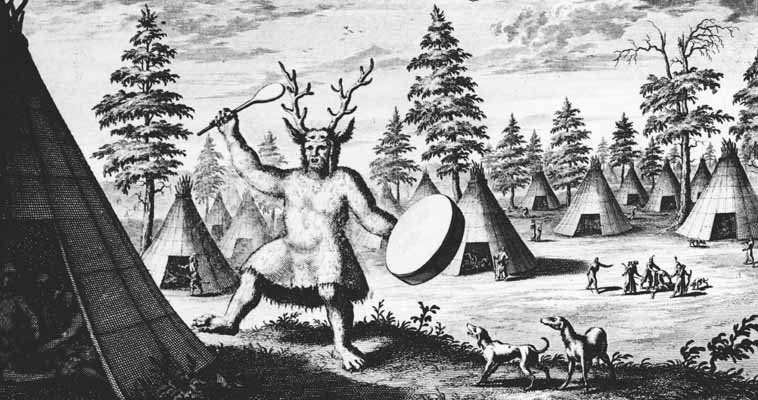
In conclusion, shamanism is a complex and ancient spiritual practice that has been present in many cultures across the world for thousands of years. It involves the use of rituals and ceremonies to enter into a trance-like state, communicate with the spirit world, and bring back information and guidance to the physical world. Shamans are the practitioners of this spiritual tradition who serve as healers, diviners, and mediators between the physical and spiritual realms, and their role in traditional societies was crucial in maintaining balance and harmony. Today, shamanism continues to be practiced in many parts of the world and has gained popularity as a way to reconnect with ancient spiritual traditions and cultural heritage.




 Love
Love Astrologer
 Dreams
 Life Coach
 Medium
 Numerologist
 Palm Reader
 Paranormal
 Past Life
 Tarot Reader