
voodoo, also known as Haitian Vodou, is a religion that originated in Haiti and is practiced by millions of people worldwide. Vodou is a syncretic religion, which means that it combines elements of various religions, including West African traditional religion, Roman Catholicism, and Native American religion. The religion is often misunderstood and misrepresented in popular culture as a form of black magic or witchcraft. In this essay, we will explore the history and beliefs of Vodou and debunk some common myths associated with the religion.
The history of Vodou dates back to the 17th century, when West African slaves were brought to Haiti by the French. These slaves brought with them their traditional religious practices, which were then mixed with the Roman Catholicism of their French masters. The result was a syncretic religion that combined elements of African animism, European Christianity, and Native American spirituality.
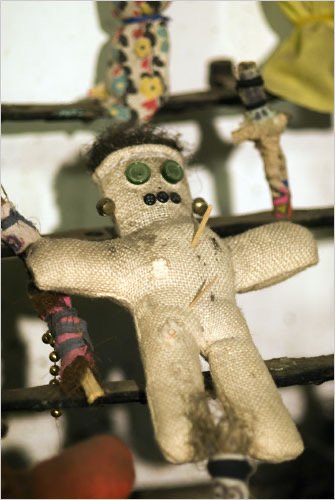
Central to Vodou is the belief in a pantheon of deities or spirits, known as lwa, who are intermediaries between humans and the supreme creator, Bondye. Each lwa has its own personality, attributes, and preferences, and is associated with a particular element of nature or aspect of life. For example, Papa Legba is the lwa of crossroads and communication, while Erzulie Freda is the lwa of love and beauty.
Vodou practitioners believe that these lwa can be invoked through rituals and offerings, such as songs, dances, prayers, and sacrifices. They also believe in the power of magic, which they use to protect themselves from harm, heal the sick, and influence the course of events. However, contrary to popular belief, Vodou is not a form of black magic or witchcraft, and practitioners do not engage in harmful or malicious practices.
Another important aspect of Vodou is the concept of the soul or spirit, which is believed to be separate from the body and can exist after death. Vodou practitioners believe in ancestor worship and the importance of maintaining a connection with their ancestors through offerings and rituals.
Despite its rich cultural heritage and spiritual significance, Vodou has been subject to a long history of persecution and discrimination, both in Haiti and abroad. The religion was outlawed by the Haitian government in 1941 and was not officially recognized until 1987. In the United States, Vodou has been portrayed in popular culture as a sinister and evil practice, perpetuating negative stereotypes and misconceptions about the religion.
In conclusion, Vodou is a syncretic religion that blends elements of West African traditional religion, Roman Catholicism, and Native American spirituality. Central to Vodou is the belief in a pantheon of deities or spirits, who serve as intermediaries between humans and the supreme creator. Contrary to popular belief, Vodou is not a form of black magic or witchcraft, and practitioners do not engage in harmful or malicious practices. Despite its rich cultural heritage and spiritual significance, Vodou has been subject to a long history of persecution and discrimination, highlighting the need for greater understanding and respect for this often-misunderstood religion.




 Love
Love Astrologer
 Dreams
 Life Coach
 Medium
 Numerologist
 Palm Reader
 Paranormal
 Past Life
 Tarot Reader