
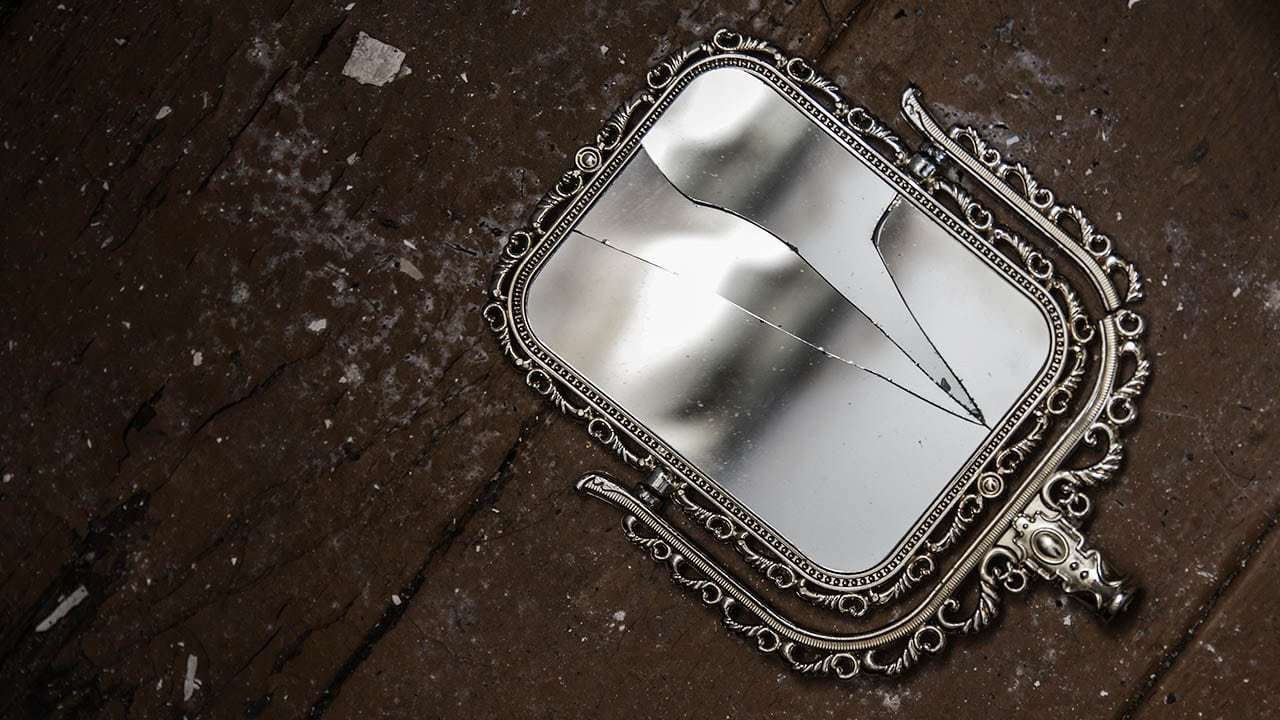
Superstitions are beliefs or practices that are based on irrational or illogical ideas, often involving supernatural or mystical forces. Despite the fact that most people are aware of the lack of any scientific basis for these beliefs, superstitions continue to persist in many cultures and societies around the world. In this essay, we will explore some of the reasons why people believe in superstitions.
Firstly, one of the main reasons why people believe in superstitions is due to the psychological need for control. Human beings have a natural tendency to seek order and control in their lives, especially in situations where they feel uncertain or anxious. Superstitions provide a sense of control over the unknown or unpredictable events in life. For example, knocking on wood is believed to prevent bad luck because it symbolizes physically touching the source of good fortune and is considered to be an act of protection.

Secondly, another reason why people believe in superstitions is because of cultural and social influences. Superstitions are often passed down from generation to generation through family traditions or cultural customs. In some cultures, certain superstitious beliefs are deeply ingrained and are considered to be an integral part of their way of life. As a result, individuals may adopt these beliefs without questioning their validity or scientific basis.
Thirdly, people may also believe in superstitions because of their personal experiences. For instance, an individual who experiences a positive outcome after performing a superstitious act may attribute their success to the superstition, rather than rational factors. This reinforces the belief in the superstition and creates a self-fulfilling prophecy. Similarly, an individual who experiences a negative event after disregarding a superstition may attribute their misfortune to the superstition, rather than random chance or other logical explanations.
Lastly, people may believe in superstitions because they provide a sense of comfort or hope. In situations where individuals feel powerless or helpless, superstitious beliefs can offer a sense of hope and a way to cope with anxiety or uncertainty. For example, carrying a lucky charm may provide a sense of security during a stressful situation or provide reassurance during a difficult time.
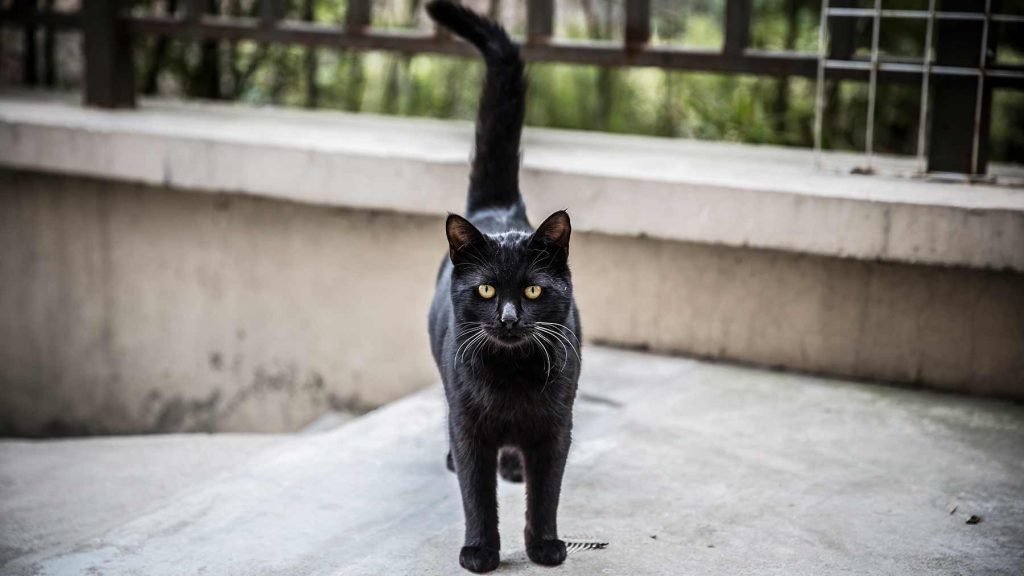
In conclusion, people believe in superstitions for a variety of reasons, including the need for control, cultural and social influences, personal experiences, and a sense of comfort or hope. While superstitions may provide a sense of security or comfort, it is important to recognize that they lack any scientific basis and should not be relied upon as a substitute for rational thinking or decision making.




 Love
Love Astrologer
 Dreams
 Life Coach
 Medium
 Numerologist
 Palm Reader
 Paranormal
 Past Life
 Tarot Reader